https://www.cristie.com/wp-content/uploads/2024/06/Delayed.png

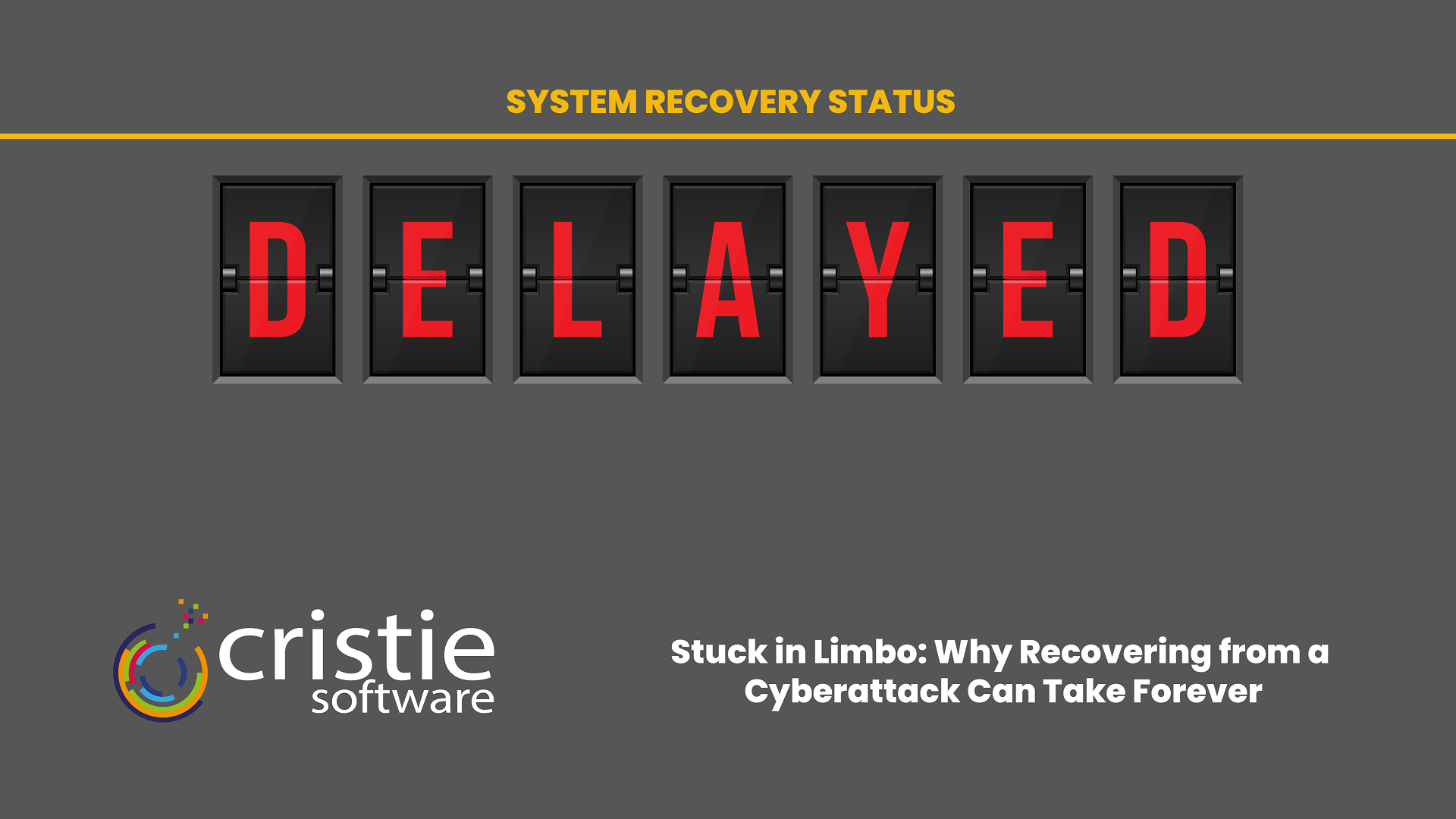
림보에 갇히다: 사이버 공격으로부터 복구하는 데 시간이 오래 걸리는 이유

Cyberattacks are a harsh reality of the digital age. While the initial shock of a breach is bad enough, the real pain can come later: prolonged system downtime. This can cripple businesses, erode customer trust, and cost millions in lost revenue. But why does getting back online after a cyberattack sometimes take so long? Here’s a breakdown of the main culprits:

1. Damaged Infrastructure:

Cyberattacks often target critical infrastructure, servers, networks and databases. These essential systems may be corrupted, encrypted, or even destroyed, requiring extensive repairs or complete rebuilds.

2. Data Verification:

Restoring from backups is a common recovery strategy, but it’s not foolproof. Hackers can manipulate backups, so data integrity needs to be thoroughly verified before systems are brought back online. This painstaking process can be excruciatingly slow. Furthermore, many companies neglect system recovery from DR plans and focus disproportionally on application data backup. Data is of no use without underlying systems and infrastructure.

3. The Chain Reaction:

Modern IT environments are intricate webs of interconnected systems. An attack on one system can have cascading effects, causing widespread disruption, and requiring a complex, step-by-step restoration process to ensure everything functions properly again. Isolated network recovery is essential if malware is suspected within any system recovery image or application data backup.

4. Security Concerns:

The fear of lingering malware is a major cause of delay. Organizations need to be absolutely certain their systems are clean before reconnecting them to the network. This often involves extensive security audits and scans, adding precious hours (or days) to the recovery timeline. Recovery of systems to a cleanroom environment is a vital feature to allow cyber forensic analysis to take place without ongoing risk of contamination to additional systems and networks.

5. Lack of Preparation:

The unfortunate truth is, many organizations simply aren’t prepared for a cyberattack. Inadequate backups, lack of full system recovery tools, outdated recovery plans, and a shortage of skilled IT personnel can significantly slow down the response and recovery process.

The Bottom Line

Cyberattacks are inevitable, but the duration of the downtime doesn’t have to be. By prioritizing data security, implementing robust backup and system recovery strategies, and regularly testing recovery plans, organizations can significantly improve their resilience and bounce back from attacks faster. After all, in the digital world, every minute offline can mean a fortune lost. Contact the Cristie Software team to learn how to include system recovery, cleanroom recovery and advanced file anomaly detection into your cyber recovery strategy.
https://www.cristie.com/wp-content/uploads/2022/09/thub-logo1.png

문의하기

https://www.cristie.com/wp-content/uploads/2022/09/thub-logo1.png

문의해 주셔서 감사합니다. 요청을 받았습니다.

https://www.cristie.com/wp-content/uploads/2019/06/gdpr_130px.png
개인정보 개요

본 웹사이트는 사용자에게 최상의 사용자 경험을 제공하기 위해 쿠키를 사용합니다. 쿠키 정보는 사용자의 브라우저에 저장되며, 사용자가 웹사이트에 다시 방문할 때 사용자를 인식하고 사용자가 가장 흥미롭고 유용한 웹사이트 섹션을 이해하는 데 도움을 주는 등의 기능을 수행합니다.